Electronic Fuel
Injection System (EFI) and Advanced Engine Management System
(EMS)
Technology Outline
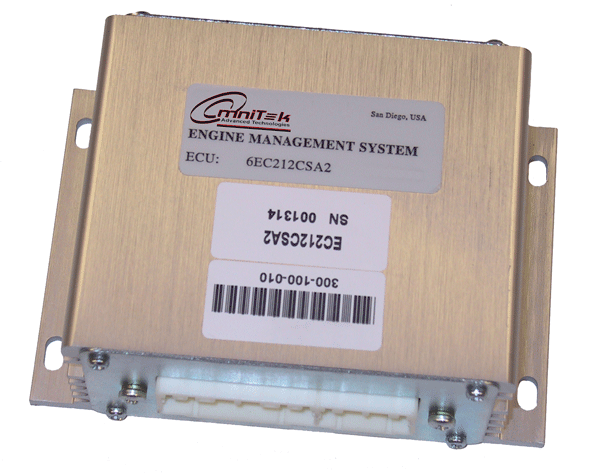
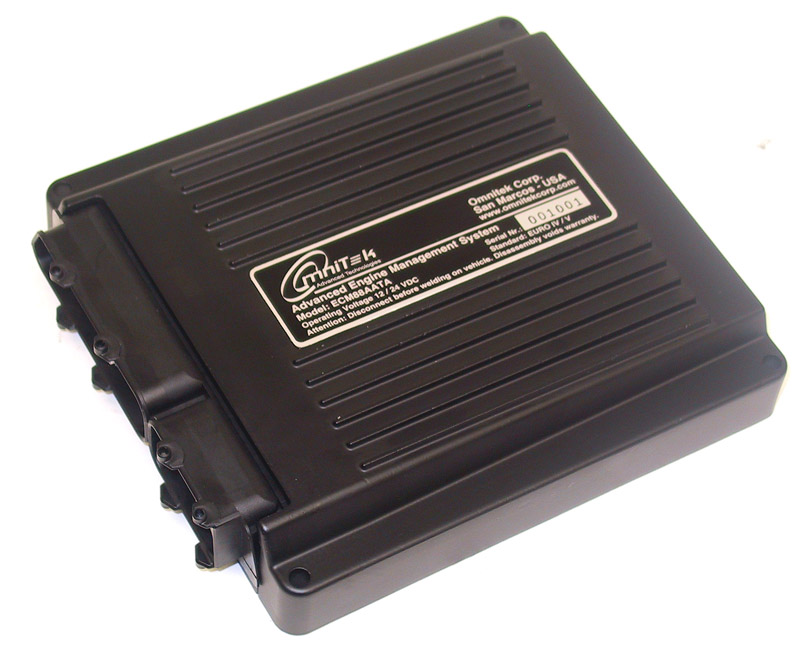
The Omnitek Engine Management System (EMS) is responsible for
controlling the correct amount of fuel injected and for adjusting the
ignition timing. Optimized engine operation assures maximum engine
power, with lowest exhaust emissions and fuel
consumption. The Omnitek EMS offers self diagnostic capabilities (OBD)
and CAN communication.
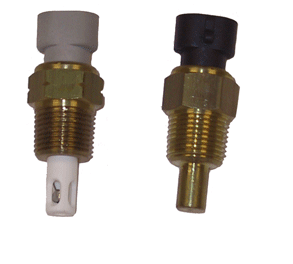
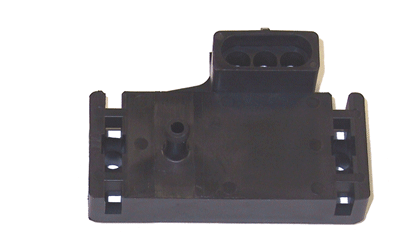
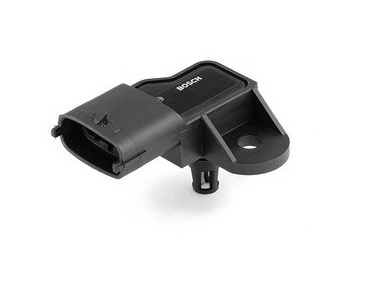
The EMS is comprised of sensors for intake air and coolant
temperature, turbo boost and intake manifold absolute pressure (MAP),
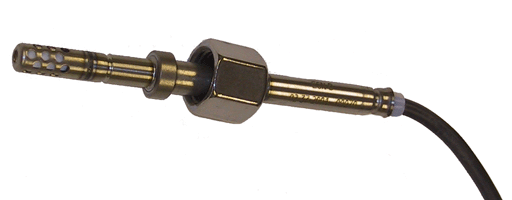
throttle position (TPS), engine rpm and position, and exhaust
oxygen sensors (UEGO or HEGO). Some controllers can also
operate electronic throttles and coil-on-plug high-energy ignition coils.
For alternative fuel applications fuel rail pressure and
temperature sensors are also utilized.
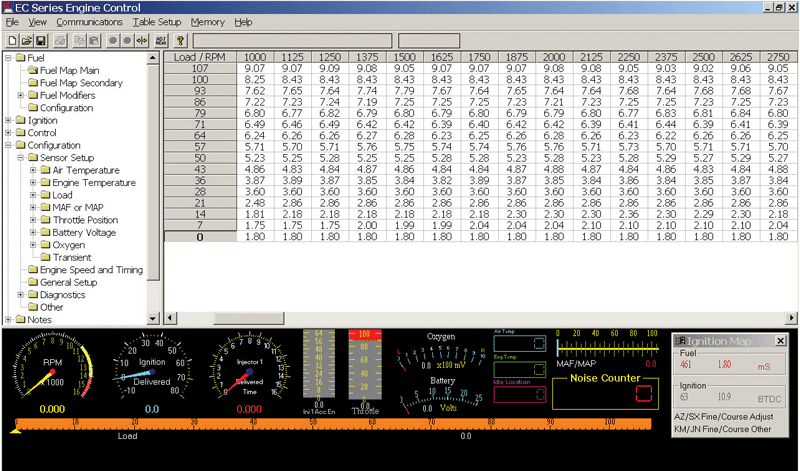
Omnitek's Windows-based program simplifies engine calibration, which guaranties a
reduced time to go from prototype to production. Engine
manufacturers can even perform most of the system integration
in their own laboratory.
Omnitek
offers EMS Technologies for following applications:
Automotive, Heavy-Duty, Marine, Rail, Stationary, Motorcycles, Gasoline,
Natural Gas (NG, CNG, LNG), LPG, Hydrogen
EMS Systems Available: